
Nov 8, 2026 - 12 mins
How coating materials can improve energy use, reliability and carbon footprint in data center construction and operations?
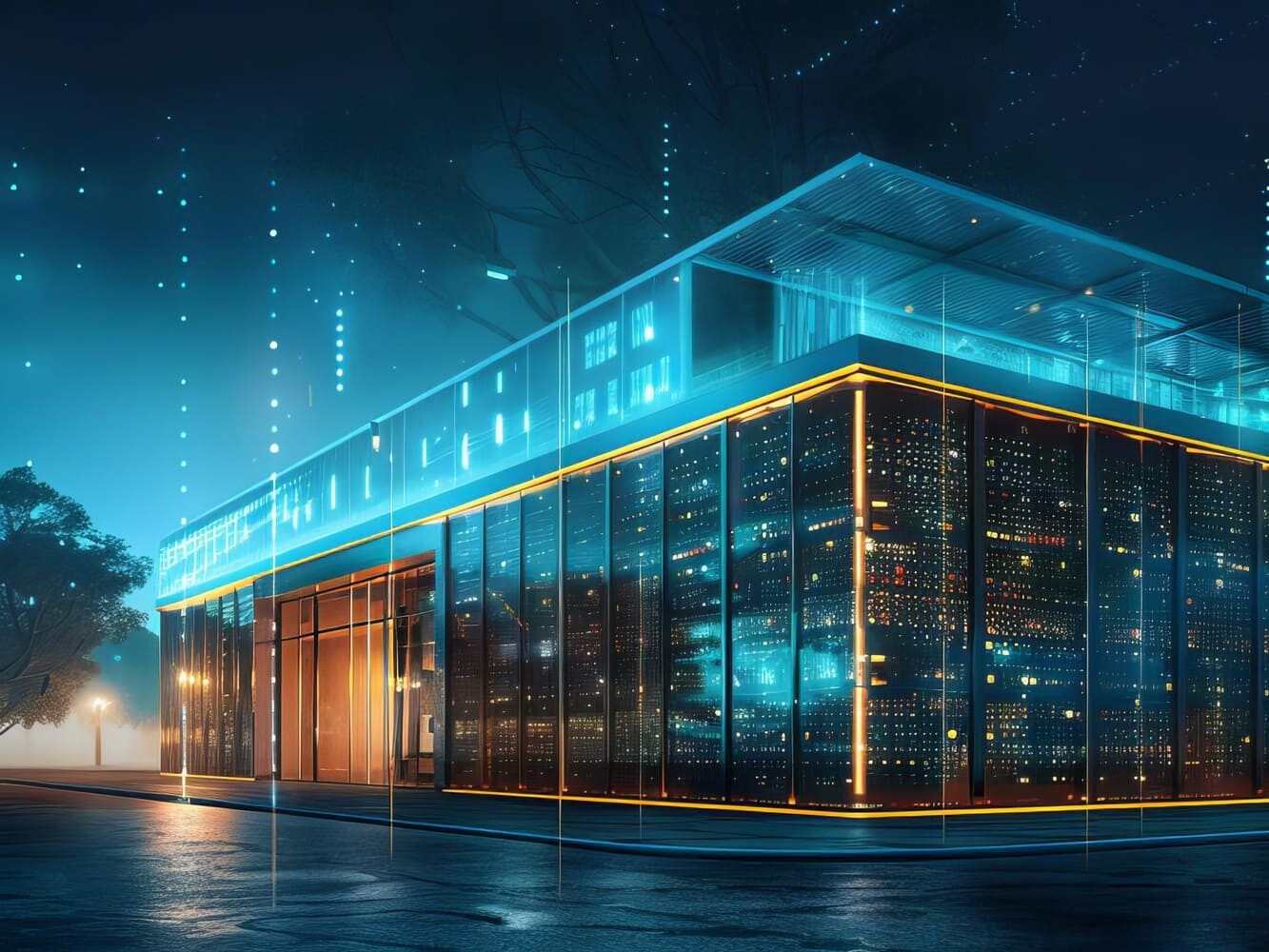
The rapid growth of artificial intelligence and high-density computing is placing increasing pressure on data center infrastructure. Operators must manage rising cooling demands, protect critical equipment, improve reliability and reduce environmental impact - all while accelerating deployment to meet growing demand.
Addressing these challenges requires innovation across the entire data center ecosystem. While servers, cooling systems and power distribution often take center stage, coating technologies, adhesives and performance materials can also play an important role in improving efficiency, protecting infrastructure and supporting sustainability objectives.
Listen to the interview
Advanced materials can help data centers improve efficiency, reliability and sustainability. This interview highlights four key areas where material innovations are already delivering value today:
- Improving energy efficiency through cool surface technologies
- Protecting electronics and critical infrastructure
- Supporting advanced cooling architectures
- Enhancing safety, durability and lifecycle sustainability
Source: DCD Connect LATAM
Cool surface coatings
reduce heat at the building level
One example already being implemented today is the use of cool surface coatings on roofs and building facades.
Designed to reflect more solar radiation, these coatings can significantly reduce surface temperatures. In some applications, temperature reductions of up to 20°C can be achieved compared with conventional surfaces.
For data center operators, reducing the amount of heat entering the building can help lower cooling requirements and reduce operational carbon emissions. Another advantage is ease of implementation, as cool surface coatings can be applied to both new buildings and retrofit projects.
As energy demands continue to rise, reducing heat before it enters the facility represents a practical way to improve overall efficiency.
Protecting critical electronics and energy systems
Data centers depend on thousands of components operating continuously under demanding conditions. Protecting these assets is essential to maintaining reliability and avoiding costly downtime.
Coatings, adhesives and performance materials can help protect semiconductors, chips, electronics and battery systems from heat and environmental stress. UV LED curing technologies also provide solutions for protecting sensitive electronic components, helping limit damage and improve long-term performance.
Protection extends beyond electronics. Battery cables, energy storage systems and other critical infrastructure must also withstand demanding operating conditions throughout their service life.
Because these components are often high-value assets, improving protection can directly contribute to both reliability and sustainability objectives.
Supporting the next generation of cooling technologies
As cooling becomes one of the most critical functions within modern data centers, protecting cooling infrastructure is increasingly important.
Extending the lifetime of HVAC equipment can help reduce both embodied carbon and operational carbon by limiting the need for maintenance, repair and replacement.
High-performance coating technologies play a role by helping equipment resist environmental exposure and maintain long-term performance.
Durability standards such as AAMA requirements for long-term weatherability demonstrate the value of proven technologies in demanding environments. Acrylic resins and PVDF resins continue to be widely recognized for delivering high levels of durability and protection in exterior applications.
Alongside these protective solutions, technologies supporting direct cooling and immersion cooling are opening new opportunities for increasing cooling efficiency as power densities continue to rise.
Fire protection is becoming increasingly critical
As facilities integrate larger power systems and battery energy storage solutions, fire protection is becoming a growing concern across the industry.
Intumescent coatings represent one of the most important technologies available today. When exposed to heat, these coatings expand and form an insulating layer that helps protect structural steel during a fire.
Their role becomes particularly important in environments where heat buildup and battery-related thermal runaway events pose potential risks.
Beyond fire protection, many protective coating systems can also improve resistance to corrosion, moisture and dust, helping preserve equipment and infrastructure over the long term.
Looking beyond operational carbon
While reducing operational energy consumption remains a priority, sustainability considerations increasingly extend across the entire lifecycle of a data center.
Material selection can influence embodied carbon, durability, maintenance requirements and end-of-life management.
Bio-based materials offer one pathway for reducing carbon footprints. Bio-based monomers and polymers can provide lower embodied carbon while supporting performance requirements. In addition, some materials derived from renewable resources such as castor oil can be recycled at the end of their service life, creating opportunities for more circular approaches.
The industry is also exploring new ways to recycle plastics used throughout data center infrastructure, an area that continues to attract significant research and development efforts.
Accelerating the path from concept to operation
For many developers, speed has become a critical factor. The challenge is no longer simply building a data center, but bringing it online as quickly and efficiently as possible.
This is where technologies originally developed for industrial coatings and construction applications can play a role. Materials that are easier to apply, require less material and generate less waste can contribute to faster project execution.
Waterborne coatings, powder coatings, industrial coatings and advanced adhesive technologies all support this objective. Combined with modular construction approaches, these solutions can help simplify installation while maintaining performance and durability requirements.
Using less material and generating less waste can also support broader sustainability goals.
Proven technologies ready to deliver value today
Cool surface coatings, electronics protection technologies, HVAC protection systems, fire-resistant coatings and lower-carbon material solutions have been successfully implemented in other industries and can be applied immediately to data center projects.
As operators seek to reduce carbon emissions, improve durability and accelerate deployment, these technologies can provide practical solutions today while supporting the industry's long-term evolution.
Building more efficient and sustainable data centers requires a holistic approach that extends beyond computing power and cooling capacity.
From cool surface coatings and electronics protection to HVAC durability, fire safety and lower-carbon materials, coating technologies can make a meaningful contribution across the entire data center lifecycle.
Many of these solutions already exist, are proven in real-world applications and can help data center operators address today's challenges while preparing for tomorrow's needs.